Machu Picchu sits high in the Andes above the Urubamba River in southern Peru. The Inca built it in the 15th century during the height of their empire. Occupation lasted roughly from around 1420 to 1530 based on recent radiocarbon dating from human remains found in cemeteries there. Construction started earlier than older estimates around 1450 some studies push it back a few decades. Pachacuti Inca Yupanqui the ruler who expanded the empire ordered the work after conquering the region. He ruled from 1438 to 1471 so the timeline fits his building projects across the Urubamba Valley.
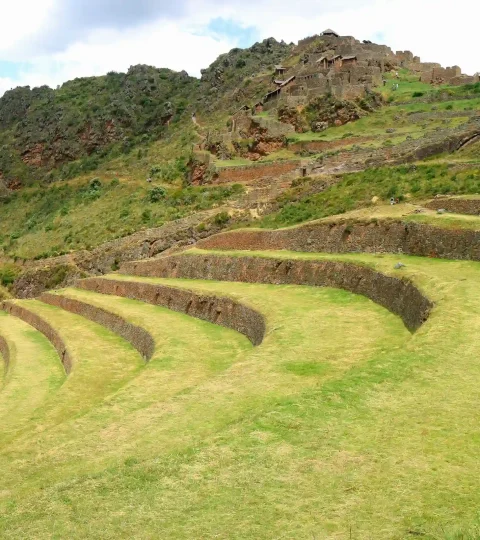
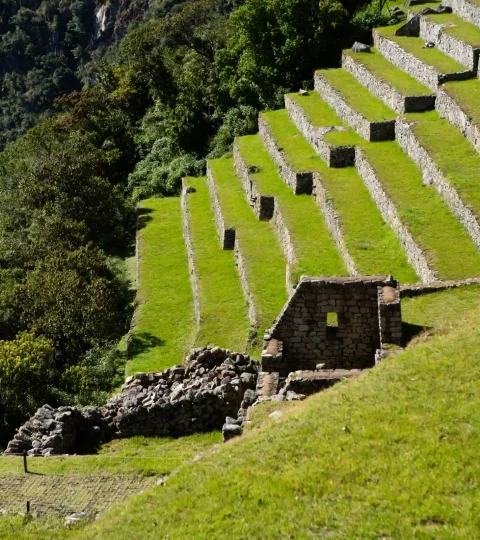
Workers quarried granite right on site shaped blocks without mortar and fitted them so tight a knife blade can’t slip between most stones. The site includes over 150 buildings temples fountains agricultural terraces residential sectors and ritual areas. Terraces follow mountain contours to grow crops catch sun and prevent erosion in the steep terrain. Drainage systems channel water through carved stones no flooding issues even in heavy rains. Some structures align with solstices or stars showing astronomical knowledge tied to Andean traditions.
The place served as a royal estate for Pachacuti and his court. A seasonal retreat for elite people ceremonies rest and administration. Population estimates run 1000 to 1200 many were retainers or attendants from different regions no heavy labor marks on some bones suggest they lived comfortably. It wasn’t a main city but a private complex away from Cusco. The Inca didn’t leave written records so purpose comes from archaeology layout and comparisons to other royal sites. One theory says it held symbolic meaning as a pilgrimage spot recreating mythic journeys. Another points to religious focus with temples dedicated to sun water fertility.
I always find it striking how the Inca integrated the site so completely with the landscape. Mountains Huayna Picchu and Machu Picchu frame it the ridge drops sharply on three sides. Feels deliberate. Very deliberate.
The site emptied around the mid-1500s soon after Spanish arrival in Peru. Francisco Pizarro captured the Inca emperor in 1532 civil war weakened the empire smallpox outbreaks killed huge numbers before armies reached everywhere. No signs of battle or destruction at Machu Picchu the Spanish never found it. Paths overgrown jungle hid it from outsiders. Locals knew but kept quiet or the place lost importance after central authority collapsed. Some say inhabitants left because supplies dried up or disease spread. Others think they moved to resist elsewhere like Vilcabamba the last Inca holdout until 1572. No clear proof any group retreated there long-term. Abandonment happened fast the site stayed intact no looting no burning.
That sudden empty quiet after all the work hits hard when you stand in the plazas. Intense. Really intense.
Peruvian explorer Agustín Lizárraga reached the ruins in 1902 cleared some growth left his name and date in charcoal on a temple wall. Locals from the valley knew the place families farmed nearby terraces. In 1911 American historian Hiram Bingham from Yale searched for lost Inca capitals Vitcos and Vilcabamba. A local farmer Melchor Arteaga guided him up on July 24 1911. Bingham thought he found the “lost city” published photos articles books made it famous worldwide. He excavated in 1912 1914-1915 took artifacts to Yale later most returned to Peru now in Cusco museums. His work sparked global interest but he misidentified it as Vilcabamba later research corrected that.
Bingham gets credit for bringing it to attention. But locals were there first. Always were.
Peru declared it a National Historic Sanctuary in 1981. UNESCO listed the Historic Sanctuary of Machu Picchu as World Heritage in 1983 covering ruins plus surrounding forest river basin diverse plants animals. Named one of the New Seven Wonders in 2007. Tourism exploded hundreds of thousands visit yearly now limits around 4500 daily up to 5600 peak season timed entries circuits manage crowds. Restoration focuses on stonework terraces drainage prevent erosion landslides. Management unit coordinates government regional local groups update master plans control impacts from visitors town growth below in Aguas Calientes.
Challenges remain overcrowding foot traffic humidity seismic risks. No-fly zone overhead protects views. Efforts push sustainable tourism educate on Inca engineering traditions Andean culture. The site shows how Inca adapted mountains built without iron wheels precise planning. Still standing after earthquakes centuries because of that skill.
Machu Picchu holds layers of history Inca ambition sudden end rediscovery global fame careful protection today. Walk the paths you feel the weight of it all. Trails good out there.