How Much Does a Trip to Peru Cost? Real Budgets, Hidden Fees, and Updated Travel Expenses
What Does an Average Trip to Peru Cost in Reality?
The most common financial miscalculation travelers make when planning a trip to Peru is budgeting exclusively for major line items—international flights, hotel reservations, and iconic entry tickets. In doing so, they miss the transactional friction: dual-currency pricing (USD vs. Peruvian Soles / PEN), domestic ATM cash-out thresholds capped at 400 to 700 PEN ($110–$190 USD) per transaction with compounding $6–$9 out-of-network bank fees, and the intricate technicalities of the foreign tourist 18% sales tax (*IGV*) exemption. There is a distinct, vulnerable moment that many travelers experience. You find yourself standing at an ATM near Cusco’s Plaza San Francisco at dusk, your fingers numb from the sudden 5°C Andean drop, staring at an automated screen rejecting your transaction because your home bank flagged a third sequential withdrawal required simply to pay for tomorrow’s rail tickets and national park entrance fees. Understanding the true financial anatomy of a trip to Peru requires peeling back these hidden logistics. Below is an exhaustive, field-tested financial breakdown reflecting updated prices, seasonal variations, and concrete daily expenses across three distinct travel tiers.
The most common financial miscalculation travelers make when planning a trip to Peru is budgeting exclusively for major line items—international flights, hotel reservations, and iconic entry tickets. In doing so, they miss the transactional friction: dual-currency pricing (USD vs. Peruvian Soles / PEN), domestic ATM cash-out thresholds capped at 400 to 700 PEN ($110–$190 USD) per transaction with compounding $6–$9 out-of-network bank fees, and the intricate technicalities of the foreign tourist 18% sales tax (IGV) exemption.
There is a distinct, vulnerable moment that many travelers experience. You find yourself standing at an ATM near Cusco’s Plaza San Francisco at dusk, your fingers numb from the sudden 5°C Andean drop, staring at an automated screen rejecting your transaction because your home bank flagged a third sequential withdrawal required simply to pay for tomorrow’s rail tickets and national park entrance fees.
Understanding the true financial anatomy of a trip to Peru requires peeling back these hidden logistics. Below is an exhaustive, field-tested financial breakdown reflecting updated prices, seasonal variations, and concrete daily expenses across three distinct travel tiers.
What Does an Average Trip to Peru Cost in Reality?
A realistic budget for a 10-day trip to Peru ranges between $1,100 and $3,800 USD per person (excluding international flights to Lima), depending heavily on whether you travel independently using intercity buses, join structured small-group expeditions, or opt for private transportation and boutique heritage lodges.
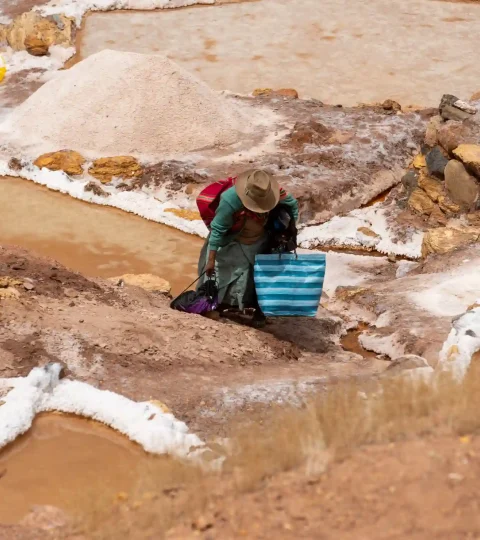
Navigating real costs and currency exchange across regional artisan markets in the Sacred Valley.
The Hidden Costs: What Travelers Overlook
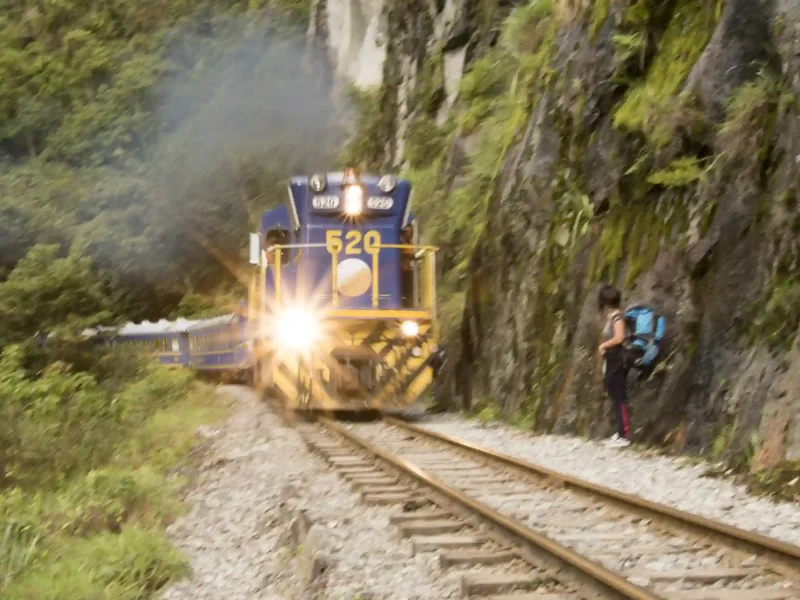
The biggest financial surprise in Peru isn’t the price of world-class dining in Lima. It is the cost of moving forty-three kilometers along a railway line.
       [ FIXED PERU EXPENSES: THE REAL BREAKDOWN ]

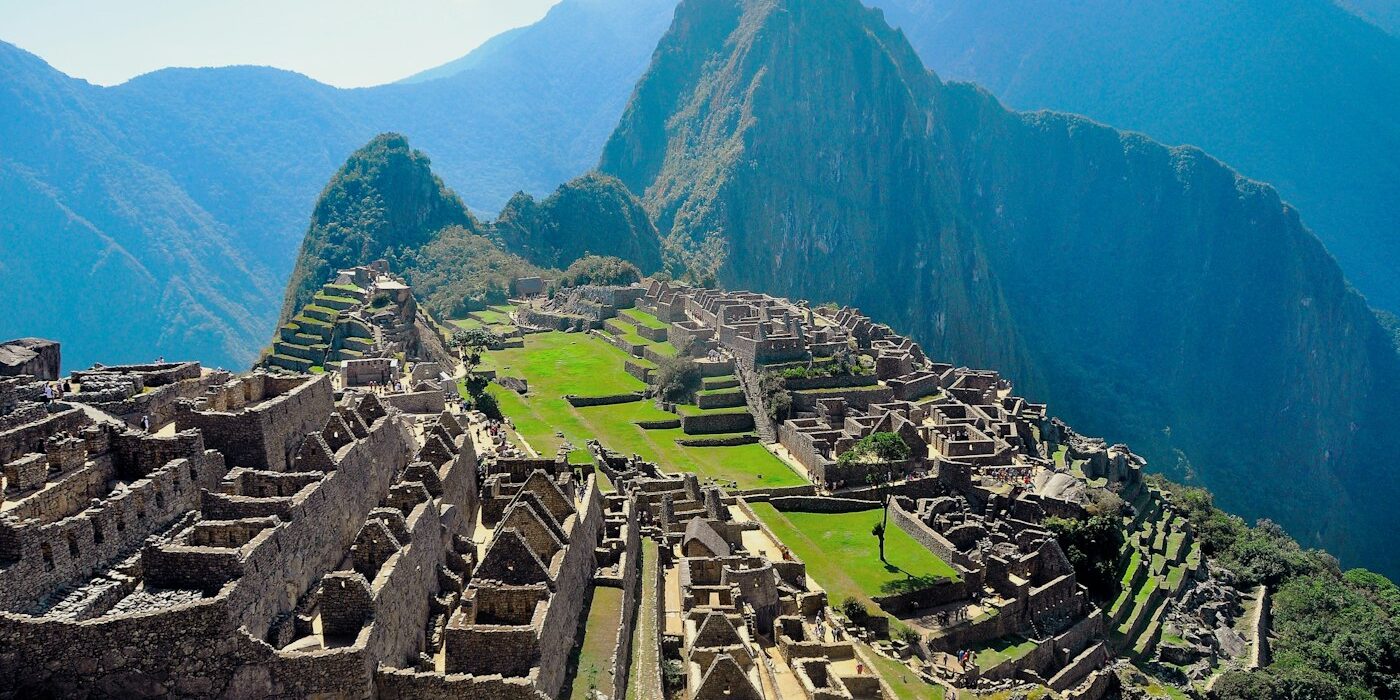
       Machu Picchu Entry Ticket (Circuit 2):       $41 USD (152 PEN)
       Aguas Calientes Shuttle Bus (Round-Trip):    $24 USD
       Expedition / Voyager Train (Round-Trip):     $140 - $190 USD
       Cusco Boleto Turístico Integral (10 Days):   $35 USD (130 PEN)
       --------------------------------------------------------------
       Baseline Cost Before Food, Hotel, or Guide:  $240 - $290 USD per person
1. The 18% IGV Tax Exemption Nuance
Under current regulations supervised by Peru’s National Superintendency of Tax Administration (SUNAT), non-resident foreign tourists are exempt from the 18% Impuesto General a las Ventas (IGV / VAT) on hotel lodging and breakfast services.
However, this exemption applies only if you present your physical passport along with your entry stamp or Andean Migration Card (TAM Virtual) at check-in. If you fail to present these documents, or if your stay in Peru exceeds 59 consecutive days, hotels are legally mandated to add 18% to your bill. Ensure you retain your digital immigration entry confirmation from the airport.
2. Cash vs. Card: Currency Friction
While Visa and Mastercard are widely accepted in Lima, Arequipa, and urban Cusco, cash remains mandatory for:
Local market purchases and street food.
Rural colectivos and Sacred Valley taxis.
Boleto Turístico municipal ticket booths (cash only in Peruvian Soles).
Tips for porters, muleteers, and local trek chefs.
Field Observation → Useful Fact → Actionable Tip Personal Experience: In Ollantaytambo, I once had three debit cards declined at the town’s solitary ATM on Calle Ventiderio when it ran dry on a Sunday afternoon, leaving me unable to pay a local driver. Useful Fact: ATMs operated by Banco de la Nación (Multired) charge zero foreign ATM commission on standard international Visa cards, whereas private bank ATMs (like BCP or BBVA) charge between 18 and 32 PEN ($5–$9 USD) per withdrawal. Recommendation: Carry at least 300 to 500 PEN in crisp, tear-free banknotes. Cashiers in Peru routinely reject bills with even a 2-millimeter tear or marked surfaces due to bank return restrictions.
Detailed Category Breakdown: Where Does the Money Go?
1. Flights and Regional Transit
International Inbound (LIM): Typically $550–$1,100 round-trip from North America; €700–€1,200 from Europe.
Domestic Flights (Lima to Cusco / Arequipa / Puerto Maldonado):
Standard economy without checked bag: $45–$75 one-way.
Standard economy with 23 kg checked bag: $75–$120 one-way (via LATAM or Sky Airline).
Intercity Buses (Cruz del Sur / Civa Excluciva):
Lima to Paracas (3.5 hours): $22–$35 one-way.
Arequipa to Puno (6 hours): $25–$40 one-way.
Cusco to Puno Ruta del Sol scenic tourist coach: $55–$70 including buffet lunch and monument stops.
2. Accommodation Costs Across Peru
Tier
Price Range / Night
Characteristics & Examples
Hostels / Pods
$15 – $30 USD
Shared dorms, reliable Wi-Fi, social hubs
(Loki, Kokopelli)
(e.g., Kokopelli Barranco or San Blas)
Mid-Range Boutique
$75 – $140 USD
Private bath, radiant heating, oxygen-ready
(3 to 4 Stars)
(e.g., Quinta San Blas, Tierra Viva Cusco)
Heritage Luxury
$350 – $750+ USD
Colonial cloisters, enriched oxygen systems
(5 Stars)
(e.g., Monasterio Belmond, Inkaterra SV)
3. Food and Culinary Experiences
Peru’s culinary spectrum allows for extraordinary thrift alongside Michelin-caliber luxury.
========================================================================================
DINING TIERS & ACTUAL PRICES (PER PERSON)
----------------------------------------------------------------------------------------
Local Market Picantería / Menú del Día:       10 - 18 PEN ($2.70 - $4.85 USD)
• 2-course meal: Sopa de quinua + Lomo saltado / Seco de pollo + Chicha morada.
• Places: Mercado Central de San Pedro (Cusco) or Mercado de Surquillo (Lima).

Mid-Tier Traditional Restaurant:             45 - 85 PEN ($12 - $23 USD)
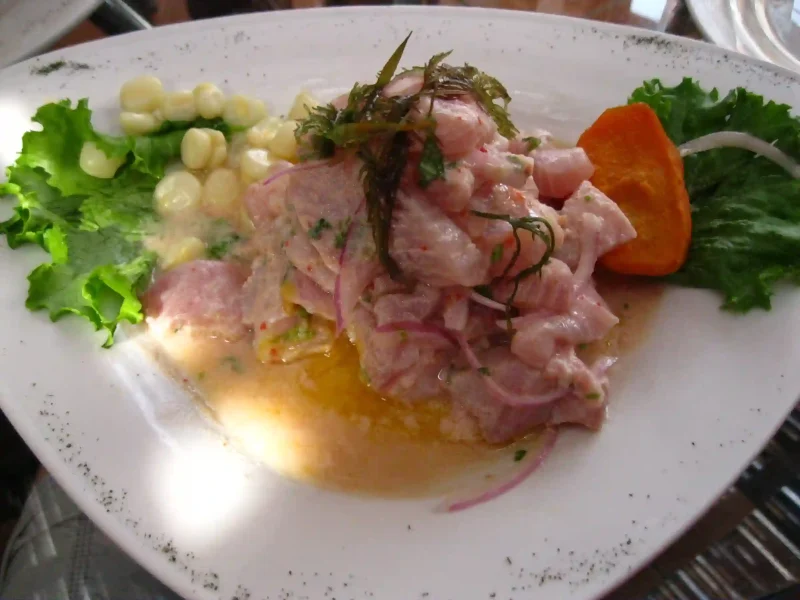
• Classic lomo saltado, fresh trout ceviche, artisan craft beer.
• Places: Morena Peruvian Kitchen (Calle Plateros 348, Cusco; Open 11:30 AM - 10:00 PM).

Fine Dining & Tasting Menus:                  450 - 950 PEN ($120 - $255 USD)
• 12 to 16-course culinary research tastings.
• Places: Central (Barranco, Lima) or Cicciolina (Calle Triunfo 393, Cusco; 12:30 PM - 10:00 PM).
========================================================================================
Factoring in dining tiers and regional transport permits when calculating your realistic Peru travel budget.
Gear, Clothing, and Shopping Budget in Cusco
Investing in proper outdoor gear avoids costly medical visits from hypothermia or blistered feet on high-altitude trails.
Where to Buy Gear and How to Avoid Overpaying in Cusco
Authentic Technical Stores: Avoid generic souvenir stalls if you need genuine technical layers. Visit Tatoo Adventure Gear (Calle Choquechaka 229; Open Mon–Sat 9:30 AM – 8:30 PM) for authentic dry bags, headlamps, and thermal socks.
Renting vs. Buying: Do not purchase trekking poles or a sub-zero sleeping bag if you only plan one 4-day hike. Rental gear shops on Calle Plateros rent Black Diamond carbon poles for $3 to $4 USD per day and mountain-rated down sleeping bags for $6 to $8 USD per day.
The Burn Test for Baby Alpaca: Street vendors often sell synthetic acrylic branded as “100% Baby Alpaca” for 40 PEN ($11 USD). Authentic pure baby alpaca cannot realistically be sold at that price. Request a loose thread snippet: when burned, authentic alpaca smells of charred hair and crumbles to fine grey ash; synthetic acrylic melts into a hard plastic bead with a chemical chemical odor.
When Should You Visit to Balance Cost and Weather?
Travel costs in Peru fluctuate substantially between the dry Andean high season and the shoulder months.
Season
Months
Average Daily Costs
Highlights & Risks
High Season
June – August
Highest (Hotels +30%)
Crystal clear skies,
Rail fills 3 mo out
freezing night temps
Shoulder Season
April – May
Moderate (Fair rates,
Optimal balance:
(Best Value)
Sept – October
normal availability)
green hills, low rain
Low / Wet Season
Dec – March
Lowest (Discounts up
Afternoon downpours,
(Feb Trail closed)
to 40% on hotels)
cloud-masked ruins
Where Cost Information Fluctuates: Foreign exchange rates between the US Dollar and Peruvian Sol, fluctuating fuel surcharges on train lines, and periodic revisions to regional monument entrance fees can alter your budget totals. If you are drafting a detailed group budget or need exact multi-leg cost verifications, contact our travel team via email for current rate sheets.
Daily Budget Scenarios: Making Your Decision
========================================================================================
SCENARIO A: Independent Backpacker ($55 - $75 USD / Day)
----------------------------------------------------------------------------------------
• Bed in a clean dorm (San Blas or Miraflores): $18 USD
• Local breakfast + market lunch (Menú del día): $8 USD
• Casual dinner & craft beer: $12 USD
• Colectivos & local buses: $5 USD
• Prorated entry tickets & permits: $15 USD
• Miscellaneous (water, laundry, snacks): $5 USD

SCENARIO B: Comfortable Independent Couple ($160 - $220 USD / Day per Person)
----------------------------------------------------------------------------------------
• Private room in 3-star boutique colonial hotel: $95 USD ($47.50 / person)
• Café breakfast (included) + sit-down lunch: $22 USD
• Traditional evening dining with wine: $38 USD
• Private taxis and scenic tourist trains: $45 USD
• Prorated site fees, audio guides & museum tickets: $20 USD
• Incidentals, tips, and café stops: $10 USD
========================================================================================
Understanding Peru’s cost dynamics allows you to invest where it truly matters—securing prime-circuit tickets, acclimatizing comfortably, and savoring the continent’s most celebrated culinary landscape—without squandering funds on avoidable transaction traps.
Visiting Machu Picchu is a journey of discovery, blending adventure, history, and natural beauty. Whether you’re hiking the Inca Trail or taking a scenic train ride, proper planning ensures you’ll experience this wonder of the world at its fullest. Book early, pack smart, and prepare for an unforgettable adventure in the heart of the Andes.