How to Visit Lima, Paracas, and Cusco: The Definitive Transit, Logistics, and Acclimatization Route
Why Connect the Desert Coast with the High Andes?
In less than twenty-four hours of overland and air transit across Peru’s central-southern corridor, your body experiences an atmospheric pressure drop exceeding 300 millibars and a moisture deficit of nearly 70 percent. You wake up with the heavy, saline air of the South Pacific clinging to your skin in coastal Lima, pass through the arid dunes of Paracas where annual precipitation barely scratches two millimeters, and end your evening inhaling the thin, dry ether of the high Andes at 3,399 meters (11,152 feet). Few travelers talk openly about the subtle knot of vulnerability that hits during that descent into Cusco. As the twin-engine Airbus tilts between jagged granite walls and the flight attendants instruct everyone to brace their heads against the headrests, you suddenly realize that no amount of reading prepared your nervous system for the sheer verticality of Peru. The instinct is to conquer everything quickly. Yet, connecting the Pacific coastline, the marine wildlife of the Ica desert, and the Inca sovereign heartland requires logistical precision, calibrated pacing, and an understanding of how geography dictates every transfer. Here is how to connect Lima, Paracas, and Cusco seamlessly, using updated transit schedules, strategic acclimatization routes, and field-tested decisions.
In less than twenty-four hours of overland and air transit across Peru’s central-southern corridor, your body experiences an atmospheric pressure drop exceeding 300 millibars and a moisture deficit of nearly 70 percent. You wake up with the heavy, saline air of the South Pacific clinging to your skin in coastal Lima, pass through the arid dunes of Paracas where annual precipitation barely scratches two millimeters, and end your evening inhaling the thin, dry ether of the high Andes at 3,399 meters (11,152 feet).
Few travelers talk openly about the subtle knot of vulnerability that hits during that descent into Cusco. As the twin-engine Airbus tilts between jagged granite walls and the flight attendants instruct everyone to brace their heads against the headrests, you suddenly realize that no amount of reading prepared your nervous system for the sheer verticality of Peru. The instinct is to conquer everything quickly. Yet, connecting the Pacific coastline, the marine wildlife of the Ica desert, and the Inca sovereign heartland requires logistical precision, calibrated pacing, and an understanding of how geography dictates every transfer.
Here is how to connect Lima, Paracas, and Cusco seamlessly, using updated transit schedules, strategic acclimatization routes, and field-tested decisions.
Why Connect the Desert Coast with the High Andes?
The greatest misconception about traveling through Peru is that the journey begins in Cusco. In truth, bypassing the coast leaves the historical and geographic narrative incomplete.
The Inca Empire (Tawantinsuyu) was not merely an alpine civilization; its expansion toward the coast through valleys like the Pisco and Chincha rivers created an interdependent ecological trade network. Marine guano fertilized high-altitude potato and maize terraces, while coastal cotton wrapped royal Andean mummies.
Connecting Lima, Paracas, and Cusco follows this natural ecological transect. It allows your senses to adjust from sea-level maritime abundance to the stark desert plateaus, and finally to the stone-and-cloud architecture of the Andes.
       [ LIMA ]
     0m | Coastal Garúa
          │
          │ (Panamericana Sur - 260 km / 3.5 hrs)
          ▼
      [ PARACAS ]
     0m | Humboldt Upwelling & Ballestas Marine Life
          │
          │ (Overland return to LIM + 1h 15m Flight)
          ▼
      [ CUSCO ]
 3,399m | High Altitude Transition
          │
          │ (Immediate Descent - 1.5 hrs via Písac/Chinchero)
          ▼
  [ SACRED VALLEY ]
 2,792m - 2,870m | Optimal Acclimatization Base
          │
          │ (Scenic Train - 1.5 hrs)
          ▼
  [ MACHU PICCHU ]
 2,430m | Ceja de Selva / Cloud Forest
The dramatic transition where the golden dunes of Paracas drop directly into the cold Humboldt Current of the Pacific Ocean.
What Is the Most Efficient Route Sequence?
The most common transit error is attempting to fly directly from Paracas to Cusco. Pisco’s Capitán FAP Renán Elías Olivera Airport (PIO) serves primarily chartered Nazca Lines overflights and seasonal military logistics; scheduled commercial flights directly to Cusco are non-existent. You must route overland between Lima and Paracas before taking your domestic flight from Lima to Cusco.
Recommended 7 to 10-Day Sequence Overview
Days 1–2: Lima Arrival and Marine Acclimatization
Base yourself in Barranco or Miraflores. Explore the coastal cliffs, marine gastronomy, and historic center.
Days 3–4: Paracas National Reserve and Ballestas Islands
Travel south via the Panamericana Sur (Ruta 1S). Early morning boat departures for marine wildlife, afternoon reserve exploration, followed by evening return to Lima.
Day 5: Flight to Cusco and Immediate Descent to the Sacred Valley
Morning flight (1 hour 15 minutes). Land in Cusco (3,399 m) and immediately take private transit down to Urubamba (2,870 m) or Ollantaytambo (2,792 m).
Days 6–7: Sacred Valley Exploration and Machu Picchu
Train journey from Ollantaytambo to Aguas Calientes, exploration of Machu Picchu citadel circuits, and overnight stay.
Days 8–10: Cusco Imperial City Return and Departure
Ascend back to Cusco after your body has built red blood cells; explore Sacsayhuamán, San Blas, and local culinary traditions before your flight home.
Touching down at Jorge Chávez International Airport (LIM) in Callao introduces you to Lima’s notorious coastal garúa—a persistent low-level thermal inversion fog that blankets the coastline from May through October due to the frigid Humboldt Current.
Where to Eat and Stay
Avoid staying near the airport in Callao. Head south along the Costa Verde bypass toward Miraflores or Barranco (45 to 75 minutes depending on Lima’s notorious rush hours: 07:00–09:30 and 17:30–20:30).
Isolina Taberna Peruana (Av. San Martín 101, Barranco; Open Tuesday–Sunday 12:30 PM – 10:30 PM): Outstanding slow-cooked seco de res con frijoles and braised short ribs. Portions are substantial and designed for sharing.
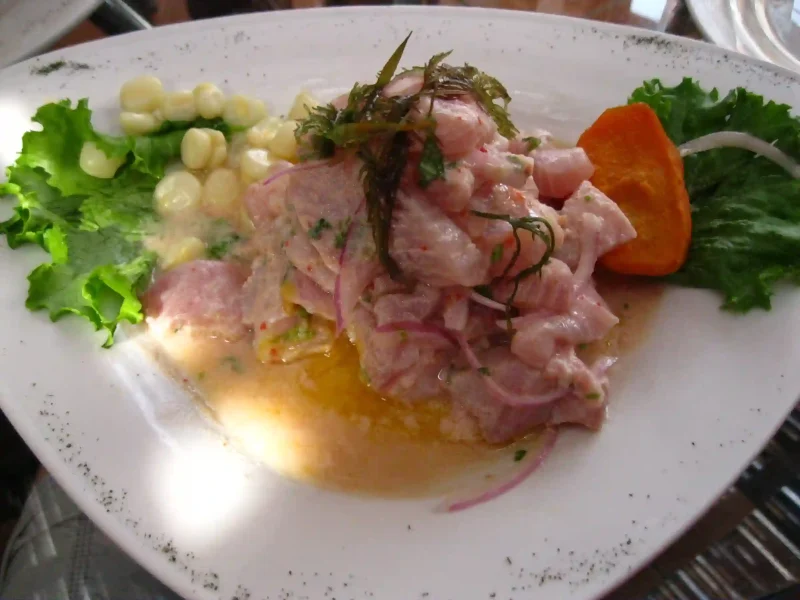
Canta Rana (Génova 101, Barranco; Open Monday–Saturday 11:00 AM – 6:00 PM): A classic bohemian tavern serving traditional ceviche mixto using fresh corvina (sea bass) and tender octopus.
Hotel B (Jr. San Martín 301, Barranco): A restored Belle Époque mansion with curated Peruvian contemporary art and quiet courtyard dining.
Field Observation → Useful Fact → Actionable Tip Personal Experience: On my first morning walking the Malecón in Miraflores, the Pacific wind felt cool enough for a heavy wool sweater, yet within twenty minutes the UV index registered an intense 11 through the cloud cover. Useful Fact: Coastal cloud cover diffuses visible sunlight but blocks less than 15% of ambient UV-A and UV-B radiation. Recommendation: Wear zinc-oxide mineral sunscreen even on overcast Lima mornings before walking along the cliffs of Larcomar.
Leg 2: Traveling from Lima to Paracas (260 km South)
The Pacific Ocean off Paracas looks deceptively tranquil from the sandstone bluffs. Beneath the surface, it operates like a cold-water turbine. The marine upwelling created by the Humboldt Current drags nutrient-dense cold water from abyssal trenches to the shallow coastal shelf, sustaining one of the densest marine food webs on Earth.
Transport Option
Travel Time
Cost Range (USD)
Best For
Premium Bus
3.5 – 4.0 Hours
$22 – $35
Budget-conscious,
(Cruz del Sur)
(one way)
punctual schedules
Private Chauffeur
3.0 – 3.5 Hours
$180 – $260
Families, custom
/ Van Transfer
(full vehicle)
roadside stops
Day-Tour Shuttle
4.0 – 4.5 Hours
$70 – $110
Fast-paced visits
(Shared)
(round trip)
without overnight
Wildlife and Departure Times in Paracas
Official maritime regulations enforced by SERNANP (National Service of Natural Protected Areas) require all passenger speedboats departing El Chaco Marina for the Ballestas Islands to clear harbor between 08:00 AM and 10:00 AM.
Departures after 11:00 AM are routinely suspended due to the Paracas winds—violent thermal gusts caused by the temperature differential between the frigid sea and the superheated inland dunes, reaching wind speeds of 25 to 35 knots.
What You See: Endangered Humboldt penguins (Spheniscus humboldti), massive South American sea lion (Otaria flavescens) colonies, and flocks of guanay cormorants nesting along marine archways.
Dining in El Chaco: Chalana (Located on the private pier of Hotel Paracas; Open 10:00 AM – 4:00 PM). Here, local artisanal fishermen deliver scallops (conchas de abanico) and wild flounder directly to the chef’s prep table; dishes are paired with cold lime juice and native chili peppers.
Leg 3: Flying to Cusco and the Critical Altitude Pivot (3,399 m)
Cusco does not forgive impatience. Arriving directly from sea level is manageable, but only if you reverse the instinct to begin sightseeing the minute you touch the tarmac.
Domestic flights from Lima (LIM) to Alejandro Velasco Astete Airport (CUZ) take exactly 1 hour and 15 minutes. As the cabin door opens, the crisp, thin air carries the scent of burning dry eucalyptus wood and wet mountain slate. Your resting heart rate will immediately elevate by 15 to 25 beats per minute to compensate for the lower oxygen partial pressure.
ALTITUDE PROFILE & OXYGEN COMPARISON
========================================================================
Location            Elevation (m / ft)    Effective Oxygen vs. Sea Level
------------------------------------------------------------------------
Lima / Paracas        0 m / 0 ft          100%
Machu Picchu Citadel  2,430 m / 7,972 ft   76%
Ollantaytambo         2,792 m / 9,160 ft   73% (Sacred Valley Base)
Urubamba              2,870 m / 9,416 ft   72% (Sacred Valley Base)
Cusco City Plaza      3,399 m / 11,152 ft  68% (Standard Hotel Zone)
========================================================================
The Golden Rule: Drop Directly to the Sacred Valley
Rather than checking into a hotel in Cusco city, arrange private transit directly from the airport terminal to Urubamba or Ollantaytambo. The drive takes 90 minutes, descending 600 vertical meters.
That 600-meter drop sounds modest on paper, but biochemically it represents an eight to ten percent increase in atmospheric oxygen delivery. It is frequently the difference between a minor tension headache and debilitating acute mountain sickness (soroche).
Field Observation → Useful Fact → Actionable Tip Personal Experience: During an early expedition, I insisted on staying in Cusco’s San Blas neighborhood on night one. By 2:00 AM, my temples felt pressed in a vise, and my sleep was fragmented by Cheyne-Stokes breathing. Useful Fact: Official clinical guidelines from the Peruvian Ministry of Health note that mild altitude illness affects up to 40% of unacclimatized travelers arriving directly at 3,400 meters. Recommendation: Spend your first two nights in Urubamba (2,870 m) or Ollantaytambo (2,792 m). Drink un-sweetened muña (Andean mint) infusion rather than excessive coca tea late in the evening, as coca acts as a mild central nervous system stimulant that can inhibit REM sleep.
Leg 4: From Ollantaytambo to Aguas Calientes and Machu Picchu
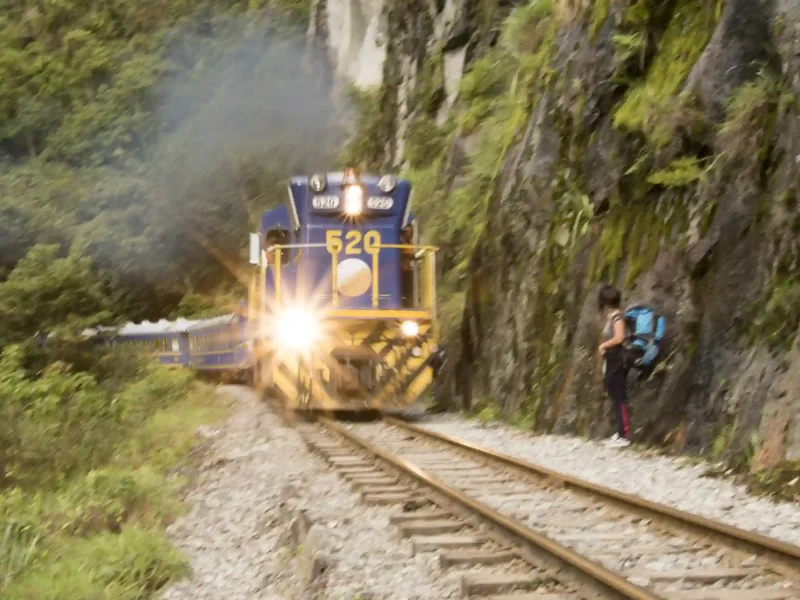
The train connection between the Sacred Valley and Aguas Calientes (Machu Picchu Pueblo) is not just transit; it is an ecological portal. Over a span of 43 kilometers along the foaming Urubamba River, the landscape morphs from arid, cactus-studded Andean canyon into lush, orchid-draped subtropical cloud forest (ceja de selva).
The Peruvian Ministry of Culture operates its updated ticketing protocol under the unified portal (`tuboleto.cultura.pe`). Entry is strictly regulated across three principal circuit structures:
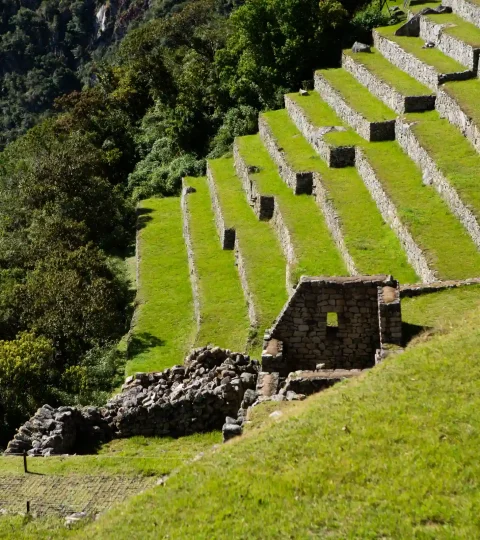
Circuit 1 (Panoramic Circuits): Delivers classic elevated terrace viewpoints, upper stone agricultural terraces, and hiking access to Intipunku (Sun Gate) or Machu Picchu Mountain. No access to the inner residential or temple complexes.
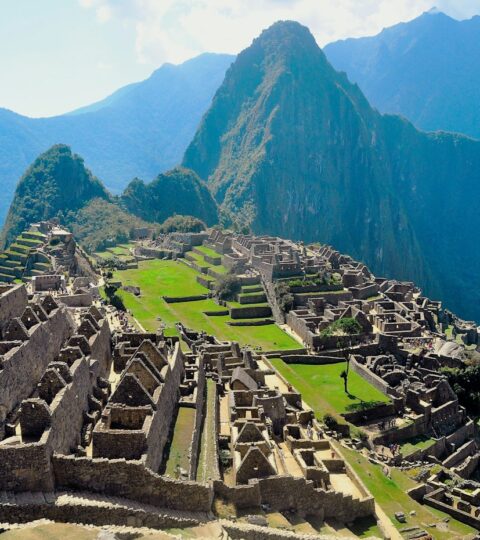
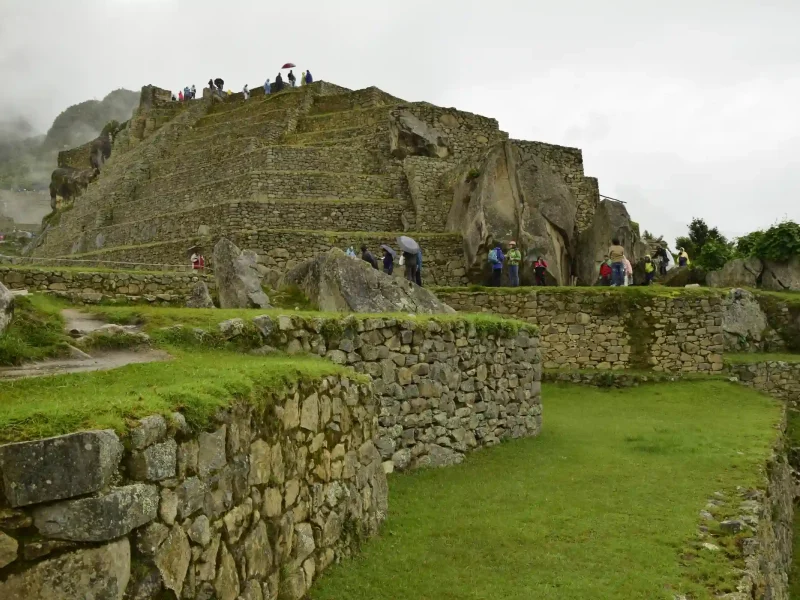
Circuit 2 (Classic Circuit): The gold standard for historical immersion. Includes the upper photographic terrace, Temple of the Sun, Sacred Rock, and urban sectors. Tickets sell out months in advance.
Circuit 3 (Royalty / Lower Circuits): Enters directly through the lower sector, visiting the Royal Enclosures, Temple of the Condor, and offering trailheads for Huayna Picchu or Huchuy Picchu. Involves fewer steep stairs, making it ideal for travelers with joint limitations.
Where Information Fluctuates: Exact daily gate capacities, seasonal dynamic circuit modifications, and localized rail baggage weight allowances are subject to periodic administrative updates by regional heritage authorities. If you require real-time verification for your targeted travel dates, reach out to our logistics desk via email to confirm the most current field regulations.
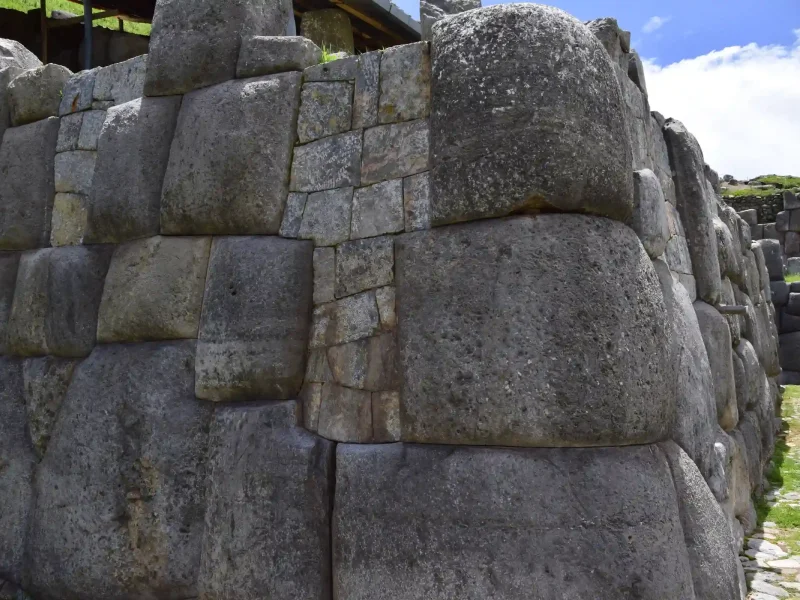
Evening descent into the imperial capital of Cusco, where narrow Inca stonework lines colonial streets at 3,399 meters.
What Weather Realities Should You Prepare For?
Travelers commonly assume Peru has a single uniform climate. In reality, you are crossing three distinct microclimates within a 500-kilometer radius.
Destination
Dry / Optimal Season
Shoulder Months
Rainy / Low Season
Lima
Dec – April
May & November
June – Oct
(Warm, Sunny, 24-28°C)
(Mild, 18-22°C)
(Garúa Fog, 14-17°C)
Paracas
Year-Round
Year-Round
July – August
(Sunny, Windy, 20-27°C)
(Moderate, 19-24°C)
(Intense Winds, 16-21°C)
Cusco &
May – September
April & October
November – March
Sacred Valley
(Crisp, Clear, 0-20°C)
(Variable, 5-21°C)
(Heavy Showers, 7-19°C)
The Best Calendar Window
The premier window to connect all three regions is between mid-April and late May, or throughout September and October. During these shoulder periods:
The Andes are lush green from departing rains, but skies remain predominantly clear.
Cusco’s nightly temperatures rarely drop below freezing (unlike the bitter sub-zero Andean nights of June and July).
Paracas experiences moderate afternoon winds.
Lima sheds its heavy winter overcast in early spring or maintains bright summer warmth in late autumn.
Technical Packing: What Gear and Brands Perform Best?
Packing for this route requires preparing for heavy sea spray, bone-dry desert heat, and alpine winds that bite as soon as the sun dips behind the ridge lines.
THE THREE-REGION LAYER SYSTEM
========================================================================
Base Layer:      Smartwool Classic Thermal Merino Crew (200 gsm)
                 or Icebreaker 200 Oasis Top
Mid Layer:       Patagonia R1 Air Fleece Hoody or Arc'teryx Kyanite LT
Insulation:      Patagonia Nano Puff Jacket (Primaloft Gold)
Outer Shell:     Arc'teryx Beta LT (Gore-Tex) or Patagonia Torrentshell 3L
Trail Footwear:  Salomon X Ultra 4 Low/Mid GTX or Merrell Moab 3
Daypack:         Osprey Talon 22L / Tempest 20L (Machu Picchu compliant)
========================================================================
Where to Buy or Replace Gear in Cusco
If your luggage goes missing in transit or you find your layers inadequate against the Andean frost, do not buy apparel from street stalls around the main square; these garments are woven from acrylic synthetic yarns that lack breathability and thermal retention.
Tatoo Adventure Gear (Calle Choquechaka 229, San Blas; Open Mon–Sat 9:30 AM – 8:30 PM): The premier certified retailer in Cusco for authentic outdoor equipment. Stocked with genuine Osprey packs, Sea to Summit dry bags, Marmot shells, and Petzl headlamps.
The North Face & Columbia Concept Stores (Portal de Panes 143 & Portal de Comercio 141, Plaza de Armas; Open daily 10:00 AM – 9:00 PM): Official corporate stores with authentic down coats and Omni-Heat garments.
Calle Plateros Gear Shops: Located one block off the Plaza de Armas, these family-run gear rental outfits rent Black Diamond trekking poles and high-mountain sleeping bags.
How to Inspect Local Gear and Alpaca Garments
The Touch and Temperature Test for Baby Alpaca: Authentic alpaca fleece feels cool to the touch when first handled and possesses a subtle, natural weight without prickling. Acrylic imitations immediately feel warm, featherweight, and build static electricity when rubbed.
Checking Technical Seams: When purchasing or renting a waterproof shell on Calle Plateros, inspect the interior seams. Genuine waterproof garments feature clean, heat-sealed polyurethane tape over every stitch line; cheap knock-offs show raw cotton threading that leaks under mountain downpours.
The Realistic 8-Day Field Itinerary
DAY 1: LIMA
08:30 AM  Land at Jorge Chávez (LIM); private transfer to Barranco.
01:00 PM  Lunch at Isolina Taberna Peruana (braised short rib, seco de res).
03:30 PM  Walk the Malecón de Miraflores toward Larcomar; review Pacific coastal geology.
07:30 PM  Light dinner in Barranco; early rest.

DAY 2: LIMA TO PARACAS
06:30 AM  Depart Lima via Cruz del Sur VIP service or private van along Panamericana Sur.
10:30 AM  Arrive in Paracas; check into hotel (Arena Blanca or Hotel Paracas).
12:30 PM  Fresh lunch at Chalana on the El Chaco pier.
02:00 PM  Overland exploration of Paracas National Reserve (Yumaque Beach, Cathedral viewpoint).
07:00 PM  Quiet evening in Paracas; listen to coastal desert stillness.

DAY 3: BALLESTAS ISLANDS & RETURN TO LIMA
07:45 AM  Assemble at El Chaco Marina.
08:00 AM  Speedboat tour through Ballestas Islands (Humboldt penguins, sea lion colonies).
10:30 AM  Return to port; quick brunch in town.
12:00 PM  Private transfer / Cruz del Sur coach northbound back to Lima.
04:30 PM  Check in near airport or Miraflores.

DAY 4: FLIGHT TO CUSCO -> DESCENT TO OLLANTAYTAMBO
07:00 AM  Morning flight LIM -> CUZ (1 hour 15 minutes).
08:45 AM  Arrive Cusco (3,399 m); avoid staying in town.
09:15 AM  Direct private transfer descending into the Sacred Valley via Chinchero.
11:30 AM  Check into hotel in Ollantaytambo (2,792 m). Rest, hydrate with muña infusion.
03:00 PM  Gentle stroll through the living Inca street grid of Ollantaytambo.
06:30 PM  Early dinner; sleep at lower altitude.

DAY 5: OLLANTAYTAMBO TO AGUAS CALIENTES
08:00 AM  Explore Ollantaytambo Sun Temple Fortress terraces.
12:30 PM  Scenic PeruRail / Inca Rail train journey along the Urubamba River.
02:15 PM  Arrive in Aguas Calientes; settle into hotel.
03:30 PM  Visit Manuel Chávez Ballón Site Museum or walk the riverside orchid trails.
06:30 PM  Carbohydrate-rich dinner; finalize daypack (max 40x35x20 cm per park rules).

DAY 6: MACHU PICCHU CITADEL
06:00 AM  Consettur shuttle bus ascent to citadel gate.
07:00 AM  Guided exploration of Circuit 2 or Circuit 1 panoramic viewpoints.
11:30 AM  Shuttle return down to Aguas Calientes.
03:30 PM  Return train to Ollantaytambo; transfer up to Cusco city (3,399 m).
07:30 PM  Check into hotel in historic center (San Blas or Plaza Nazarenas).

DAY 7: CUSCO IMPERIAL CITY
09:00 AM  Walking tour: Qorikancha (Temple of the Sun) and the stone alleys of Loreto.
01:00 PM  Lunch near Plaza San Francisco (traditional trout or quinoa soup).
02:30 PM  Afternoon visit to Sacsayhuamán megalithic ramparts above the city.
06:30 PM  Farewell dinner in Cusco.

DAY 8: DEPARTURE
09:00 AM  Morning transfer to Alejandro Velasco Astete Airport (CUZ).
Flight to Lima (LIM) for international connections.
Strategic Travel Comparisons: Making the Right Decisions
========================================================================================
DECISION: Staying in Cusco vs. Dropping to Sacred Valley on Arrival
----------------------------------------------------------------------------------------
Sacred Valley First (Recommended)     Cusco City First
• Elevation: 2,792 m - 2,870 m         • Elevation: 3,399 m
• 20% higher oxygen partial pressure   • High risk of soroche (acute altitude sickness)
• Deeper, restful REM sleep            • Disturbed sleep, elevated resting pulse
• Easy morning train access            • 2-hour pre-dawn bus connection to catch trains
========================================================================================

========================================================================================
DECISION: Paracas Day-Trip from Lima vs. Overnight Stay
----------------------------------------------------------------------------------------
Overnight Stay in Paracas (Recommended) Day-Trip Express from Lima
• Relaxed 08:00 AM boat departure      • Brutal 03:30 AM departure from Lima hotel
• Calmer waters, optimal wildlife      • Arrives right as Paracas winds pick up
• Time to explore desert reserve dunes • Rushed, 9 hours of driving in a single day
========================================================================================
Frequently Asked Questions
Can I fly directly from Paracas or Pisco to Cusco?
No. Pisco Airport does not handle scheduled commercial flights to Cusco. All scheduled air connections to Cusco operate out of Lima’s Jorge Chávez International Airport (LIM). Attempting to find a direct flight between the two points is a common planning dead-end.
How much luggage can I take on the train to Machu Picchu?
Rail operators (PeruRail and Inca Rail) enforce an official carry-on baggage allowance of 5.0 kg (11 lbs) per passenger, with dimensions not exceeding 62 linear inches (length + width + height). You should leave your primary rolling suitcases at your Sacred Valley or Cusco hotel storage desk (which is standard and free of charge) and travel to Machu Picchu with a compact 20 to 25-liter daypack.
Will I need yellow fever vaccination for Lima, Paracas, or Cusco?
No. The coastal strip (Lima and Paracas) and high-elevation Andean valleys (Cusco, Sacred Valley, and Machu Picchu) carry zero risk of yellow fever transmission. Vaccinations are only recommended if your itinerary extends eastward over the continental divide into the Amazonian rainforest basins of Madre de Dios (Tambopata/Manu) or Loreto (Iquitos).
Connecting Peru’s coastal desert with the high Andean cordillera is one of South America’s most rewarding overland journeys. When you respect the geography, step down your altitudes thoughtfully, and allow the rhythms of the desert and mountain passes to dictate your speed, the transitions cease to be logistical obstacles—they become the very substance of the journey.
Visiting Machu Picchu is a journey of discovery, blending adventure, history, and natural beauty. Whether you’re hiking the Inca Trail or taking a scenic train ride, proper planning ensures you’ll experience this wonder of the world at its fullest. Book early, pack smart, and prepare for an unforgettable adventure in the heart of the Andes.